This tiny waterhole in the Sonoran Desert is generally really popular with birds and small mammals. Recently, though, a bear has decided it’s a great place to rest and relax. He spent about an hour there, just hanging out. The spines in his muzzle are from prickly pear cactus and, based on the nearby bear scat, he was eating the cactus fruits.
Author: Gaia Diversity
gaiadiversity.com
Cool Coyote
Every day now for a couple of months, this male coyote visits the backyard pond for a refreshing dip. The daily high temps have been between 100 and 109 degrees over that time, so I can appreciate his dedication to staying cool.
Thirsty mountain lion
The Sonoran desert monsoon season has been a disappointment so far. Overall, not much rain. While some areas have had localized heavy downpours, other areas have been missing out and remained pretty dry. For a few years now, a couple friends and I have been hauling water to important dry waterholes that would otherwise be full from a decent monsoon season. The water this mountain lion is drinking is water hauled to the site. Thankfully, since this video was captured, there have been a few more rain showers that filled this waterhole and others in the area.
Bear cub antics
It was a nice surprise to check this trail cam today and find that a family of bears visited the spring-fed wallow. Momma bear was just trying to relax, but her two cubs had different ideas.
Black bear nap time
In the Sonoran Desert, any water is precious. This little seep provides water for many desert critters, including this sleepy male black bear. I suspect he was down amongst the saguaro cacti to feed on their many ripe red fruits that have fallen to the ground.
Bobcats
Bobcats have been pretty active lately, both in my yard and out in the wilder places. Bobcats live around 7 to 10 years in the wild. The oldest bobcat in captivity lived to be 32 years old. Bobcats can give birth to up to six kittens, though two or three is more common, depending on available prey.
This bobcat has a territory with the best view. Seasonal rains fill up this spot dubbed the Infinity Pool.
Judging by body size and spot pattern, this young bobcat appears to be new to the neighborhood. My backyard cameras catch her regularly.
Midway Atoll Albatross Census Update
For the last six weeks our team has been very busy counting Laysan and Black-footed albatross on Midway Atoll in the Northwest Hawaiian Islands. We are nearly finished with the count, though official numbers will be released by the USFWS when the numbers have been verified. As you can see from the following photos, there are a lot of birds.

This is a view of the albatross colony on Eastern Island, looking at Sand Island in the background (Greg Joder 2025).
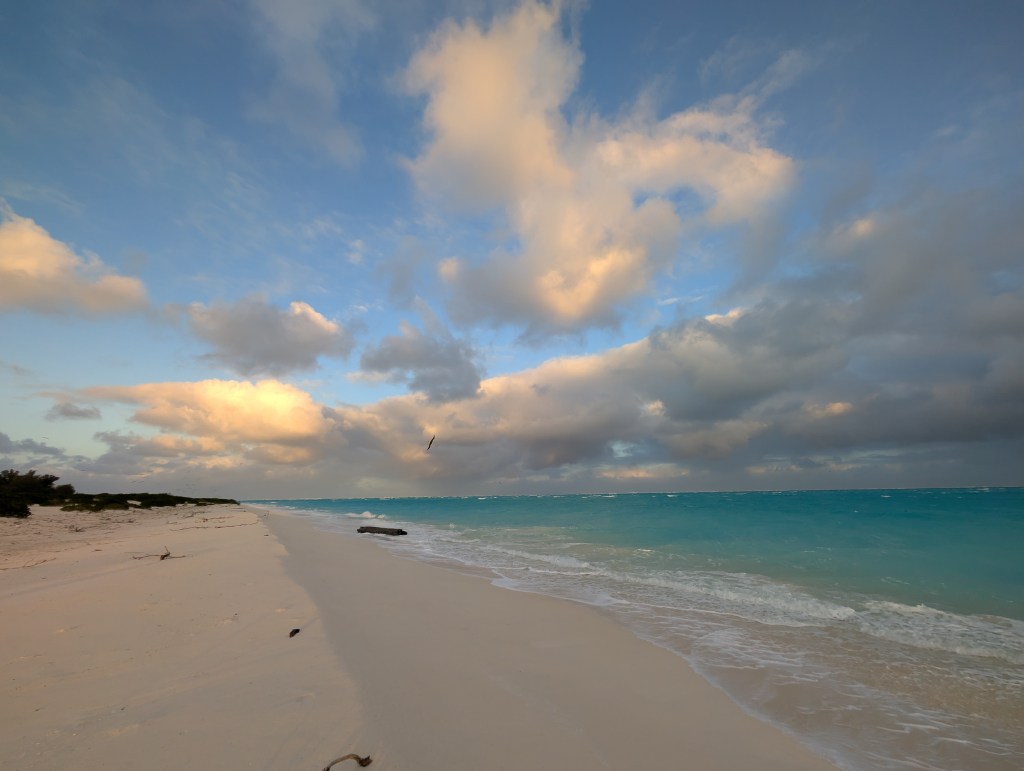
On our days off we go birding, swimming, or walking on the beaches that are open to humans. Most of the beaches on the islands in the atoll are closed to people in order to protect sensitive species like the Hawaiian monk seal and sea turtles.



Isle of the Albatross
A few days ago I arrived at Midway Atoll (Pihemanu), joining the rest of the team that will be conducting the annual albatross census. The annual census, which began in 1991, is an important aspect of understanding population trends of both Laysan (Mōlī) and Black-footed (Ka’upu) albatross. This first week will be spent re-setting the boundary lines of all the nesting areas that will be counted on each island within the atoll, Sand and Eastern. Once that is accomplished the counting will begin and may take three weeks or more. In the meantime, here are a few sights from today. Enjoy!
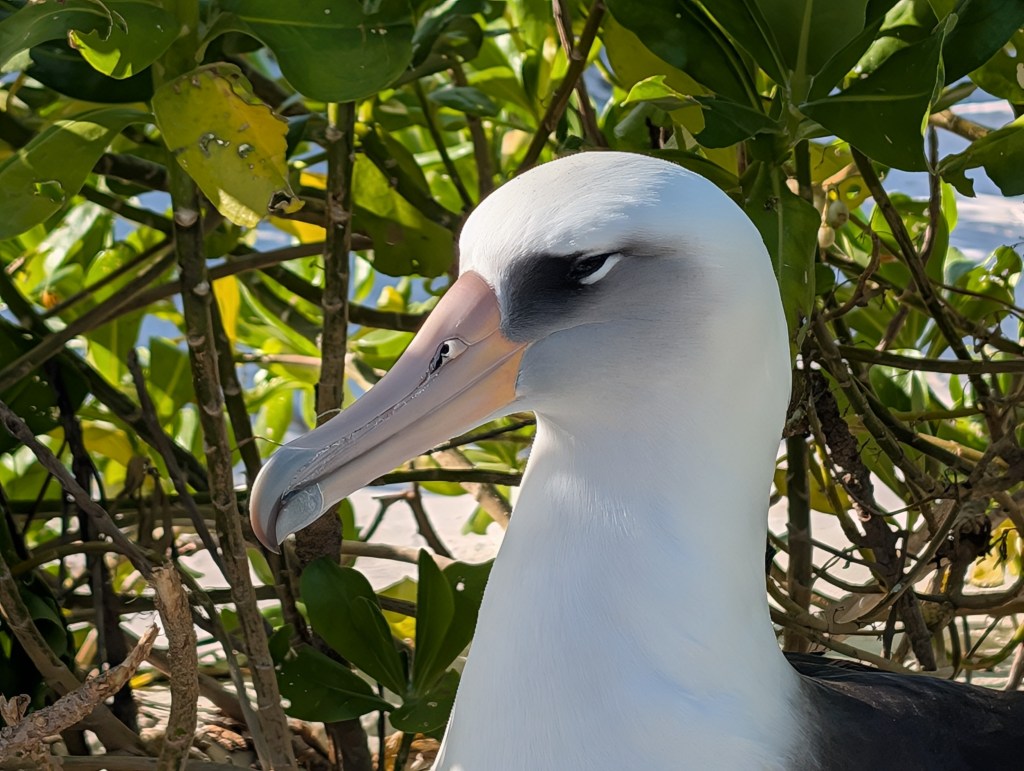
Laysan Albatross (Greg Joder, USFWS Volunteer)

Albatross Adventure on the way
Ten years ago this year I spent four months on Midway Atoll (Pihemanu Kuaihelani) in the northwest Hawaiian Islands working as a volunteer biological science technician. Our main focus was reproductive success and longevity monitoring. Next week, I’m heading back to Midway as part of a team that will perform the annual albatross census. Midway is home to the largest breeding colony of Laysan albatross and every year since 1991 there has been a census to record their numbers. The video below is from my first time there. Stay tuned for updates from the island of the albatross…
Bobcat kittens at a desert pool
This is the second year my cameras have caught a bobcat family in this drainage. Last year there were also three kittens. The male operates from one eye, as his left eye appears damaged. He’s the one who took down a deer fawn last year in front of the camera.
 My Earth