
The Western Screech owl fledglings have continued to use the backyard waterholes and patio after fledging nearly two weeks ago. It appears the adult female is feeding them and teaching them to hunt while the adult male has not been captured on video since the little owls fledged.
Author: Gaia Diversity
gaiadiversity.com
Sky Island Camping and Camera check
This week I spent a couple days and nights in one of southern Arizona’s sky islands checking and setting new camera traps. The vegetation included oak woodlands and pine forests at elevations ranging from 5000′ to 8500′.

Here’s a selection of photos showing the range of beauty in the area:
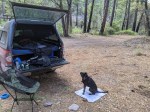
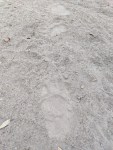







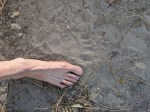
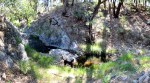
The camera traps caught a few interesting animals. First, a group of wild turkeys. Watch with sound on:
Only one black bear came through since the last camera check a month ago. This one chose not to relax and wallow:
In all, it was an enjoyable two days away from all that’s not right in the world right now. Nature and wildlife are the best medicines. Zipper had a great time too, including naps:

More backyard wildlife action
It’s the time of year between winter rains and the summer monsoon season so natural sources of water for wildlife are running dry. In my backyard I’ve had the pond going for about 7 years and recently I put out a simple small water bowl in another pat of the yard. The water bowl is really the top of a birdbath and works well for the purpose.
Various visitors:
A peccary family:
A beautiful coyote and bobcat:
Black and Cinnamon Black Bears?
This morning I checked one of my camera traps and was happy to see it captured a sow and cub as well as a “cinnamon” black bear. According to Wiki, a cinnamon bear is a subspecies of the American black bear. Either way, it was so good to see a black bear cub and also a different color morph of the American Black Bear:
The Screech Owlets have left The nestbox
The little western screech owls fledged last night. After documenting them in their nestbox every night and some days for over three months I feel a bit sad and will miss them. They are now out in the wild world and will, hopefully, have successful careers as owls. They’ll still be fed by their parents for a little while longer as they learn to hunt and fend for themselves.


Mountain Lions
One of my new camera trap locations recently caught an adult female mountain lion and one of her yearling offspring:
Western Screech Owl Nesting Update
The western screech owl pair have been busy feeding three hungry owlets. The nestlings appear to be nearing the time to leave their nest. Last night both parents made over 16 feeding trips which included grubs, geckos, and a small packrat.
On previous nights, prey items also included a small bird, western blind snakes, spiny lizards, moths, and even a hummingbird. Seeing the dead hummingbird getting eaten by an owlet made me sad as hummingbirds are dear to my heart.
The young screech owls have also been spending time checking out their daytime word:
Backyard Wildlife Action
We’re entering the time of year where rain is sparse. Likely no rain until July. So, at this time, when many species are having young or just trying to survive, any water source is a means of survival. This video captures many of the common critters here in Tucson, Arizona, all from my backyard:
It was a Hot Day for the Mamma Screech Owl
While it was only 97 degrees today (yesterday was 100), the female western screech owl took a time out from the nest box and her kids to cool off. Only the screech owl nestlings know how miserable it was inside the nestbox during the late afternoon heat.
Western Screech Owls
A few months ago I put up two screech owl nest boxes in my yard. Each box has a 3″ diameter hole which is within the size recommended to accommodate screech owls. Within a week an owl found both nest boxes and would randomly appear sitting in the entrance to one for a couple months. It wasn’t long before breeding season began and a second owl appeared. They paired up and chose the red nest box which was in a shady protected area in a false willow tree.

Both adults began hunting foray’s to feed hungry nestlings. It appeared that the male would catch prey and give it to the female who was, early on, incubating eggs, then later, feeding the nestlings.
A few days ago I decided to take a short video inside the nest box using a tiny borescope inspection camera. I wanted to see how old and how many owlets there were. I waited until after the female left the nest box in the early evening and was able to capture this video, confirming 3 downy nestlings:
Seeing the nestlings and their size made sense given how many prey items the adults were bringing into the nest box. The prey has varied from small moths and non-native geckos to a small passerine bird, a large Western blind snake (pencil-size diameter, maybe a foot long) which escaped, and a couple kangaroo rats. Here’s the video from last night’s action:
 My Earth